

Regulations and Precision Technology Fuel Nozzle Innovation
Spray nozzle technology continues to evolve as manufacturers respond to increasing demands for precision, efficiency, and environmental stewardship. While innovation is often driven by economics and operational needs, regulatory requirements, particularly those tied to the EPA’s implementation of Endangered Species Act (ESA) protections through pesticide labels, are playing a growing role in nozzle development. Read more on this article from CropLife here.
According to industry experts, new pesticide label requirements aimed at reducing off-target movement are driving demand for technologies that help applicators meet drift mitigation requirements. As a result, manufacturers are focusing on nozzle designs that improve droplet control and reduce drift while maintaining application effectiveness.
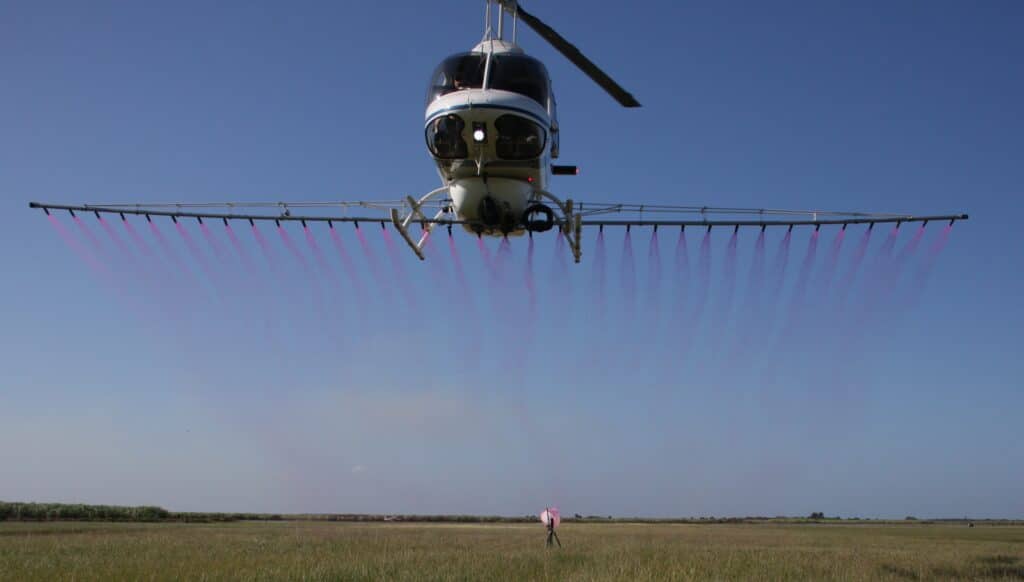
While the CropLife article focuses on nozzles for ground sprayers, aerial applicators have also seen new nozzle designs in recent years. The design focus has been on increasing droplet size and improving spray pattern uniformity. To help select the right nozzle for the job at hand, manned aerial applicators have a powerful tool at their disposal – the USDA-ARS Aerial Application Technology Research Unit’s Spray Nozzle Models.
At the same time, precision agriculture technologies such as pulse width modulation (PWM) are gaining traction. Originally developed for ground sprayers, PWM is now available for agricultural aircraft as well. It provides numerous features beneficial to aerial applicators including droplet size control, boom shut-off options, and the ability to change droplet size during the flight. These features make it a good fit for complying with ESA mitigations.
Together, these advancements reflect the industry’s ongoing effort to balance productivity, stewardship, and regulatory compliance.