

Precedent-Setting Part 137 UAS Exemption Granted to Hylio
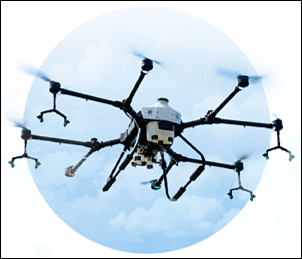
Hylio, a U.S.-based agricultural uncrewed aircraft system (UAS) manufacturer, was recently granted a landmark exemption to conduct Part 137 swarm operations. Hylio initially petitioned to utilize their AG-230, an 8-gallon capacity octocopter marketed to produce up to a 35 ft swath width and treat up to 50 acres per hour at 1 GPA (if permitted on the label). Their FAA-granted exemption authorizes operations with any UAS identified in the List of Approved UAS under §44807.
Hylio was granted relief to operate up to three UAS under one operator, each weighing over 55 pounds, during night, and without visual observers (VOs), within visual line of sight (VLOS) of the pilot in command (PIC).
NAAA previously commented on the petition for this exemption, with the key concern of how these UAS will detect and avoid crewed aircraft conducting agricultural operations, potentially in adjacent fields. In their decision, the FAA cited Hylio’s radar-based Obstacle Avoidance system as a sufficient risk mitigation. They did not, however, respond to NAAA’s question on the system’s stated ON/OFF switch with which “the user is allowed to turn off avoidance to avoid unnecessary risk when they determine a mission is safe enough to fly without obstacle avoidance.” NAAA maintains that the ability to deactivate this system precludes it from being a reliable risk mitigation tool.
In the decision, FAA responded to NAAA concerns on diligent adherence to §137.37, which prohibits dispensing from an aircraft in a manner that creates a hazard to persons or property on the surface. NAAA questions the extent to which a single PIC can fulfill this obligation when tasked with operating three aircraft, potentially at night and without visual observers. In short, FAA cited the self-administered §137.19 knowledge and skills tests as a sufficient risk mitigation in addition to State pesticide licensure.
This exemption opens the door to disruptive change in the Part 137 UAS operations industry, with swarming markedly increasing efficiency potential and reducing needed manpower. This should, in turn, enable significantly more productive operations. What is still unclear is how state pesticide licensure authorities will handle these novel operations. While FAA seems content with the risk mitigations regarding airspace, will state departments of agriculture be content with a standard pesticide applicator license for one individual operating a swarm of sprayers?
You can view the FAA Decision here.